

"A household based in North London is looking for an extraordinary and experienced tutor to guide their smallest child on his initial journey to growing into an English gentleman."
Upon seeing this listing, you might easily miss the wording "initial stages" as mere an expression.
Yet, it might be the most significant element of this distinctive position posting, as it seeks to recruit a mentor for a infant.
Hundreds of applications have already been sent in since the unidentified family posted their call for the £180k-a-year tutor, who must be "an exceptional individual".
In recent few weeks, the post has attracted interest in the news, with several asking why?
Forward-Thinking Method
A tutoring expert, CEO and founder of a global tutoring firm, which is supporting the family in their hunt, said that in spite of initial doubt, he considered the concept "far sighted", and "progressive".
When he met the family, he mentioned they recognized the atypical aspect of their request, and how early in age their son is.
However, they stated that they "didn't want to wait any longer" to hire a tutor, as they had postponed until their firstborn was five, and by that point "cultural conditioning had by then become established".
What precisely did the family mean by "cultural leaning"?
It's "all-encompassing", the expert answered. "How you eat, the manner you speak".
He explained the firstborn had adopted "extremely delicate, body language" from the family, and had adopted their cultural norms. The family explained to the consultant they did not want this pattern to recur with their younger child.
The plan: To engage a British tutor, who should speak with RP, to influence the baby right from the beginning.
Osmotic Learning
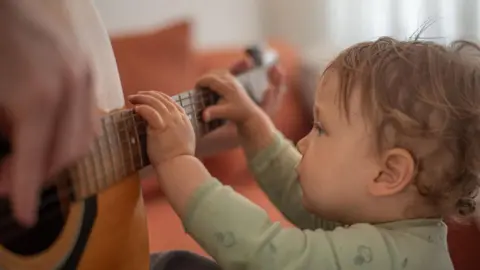
"A great deal of the education at the beginning here is kind of absorbed naturally," stated Adam.
It's by means of this natural absorption that the family are expecting the child will acquire the English characteristics they aim to cultivate.
He noted the tutor must be somebody who went to "prestigious academies – similar types of schools as the family plan to send their son to".
"The instructor just has to be the suitable individual, they'll be doing things they may not realize they're doing, effortlessly," he said.
Money No Object
The family explained to him the successful candidate should ideally also have understanding of or enthusiasm in equestrian activities, alpine skiing, artistic pursuits and musical activities so as to influence the child in a wide range of hobbies.
Furthermore though, he explained the family hoped the tutor to register the child on a selection of classes so the child would be "horseback riding and starting an instrument by the time they are about three years old".
In the family's minds, helping their son grow into a "UK sophisticate" will result in achievement and create opportunities.
"For all the advantages and disadvantages of that, because it's definitely a social class indicator," he notes.
Yet, despite all this guidance in "UK identity", would the child absorb alleged cultural leaning from the globally influenced family he lives with anyway?
"Absolutely", said Adam. "The parents know this may not work, but they've simply adopted the perspective of, 'let's give it a go and let's go as quickly as we can', because the price of it is irrelevant," he said.
Overly Optimistic
Several in the private teaching field who share those reservations.
Another CEO, head and founder of Blue Education, who also offer private tutors, commented that "the development of becoming bicultural, or indeed, forming one's identity, is something that must be experienced personally, not designed."
He explained that he had relocated from the Far East to the UK at the age of childhood, and had been brought up knowing and embodying two backgrounds. He progressed to be educated at the University of Cambridge.
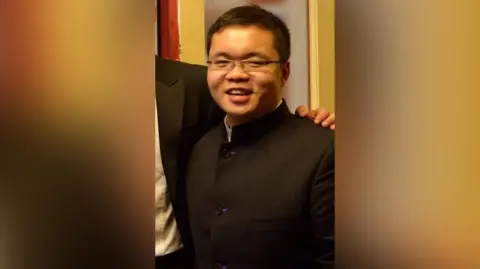
"The idea that one individual can act as a representation of UK identity, someone who can possibly transplant the qualities of a UK sophisticate onto a infant child, strikes me as optimistic and unfeasible," he stated.
"In my experience, engaging a typically English tutor from babyhood will not instantly create the outcome they desire.
"I did not have such a figure, and yet I have been privileged enough to live numerous of the situations they hope for their son."
He stated: "The reality is, self-identity cannot be forced from the external environment; it must be selected, and it must be internally driven."
Purchasing UK Culture
Naturally, Britishness is something the expert hopes can be taught – and commercialized.
"In my view the situation that the global community regards us in this regard is something that we should be cherishing|valuing|appreciating


